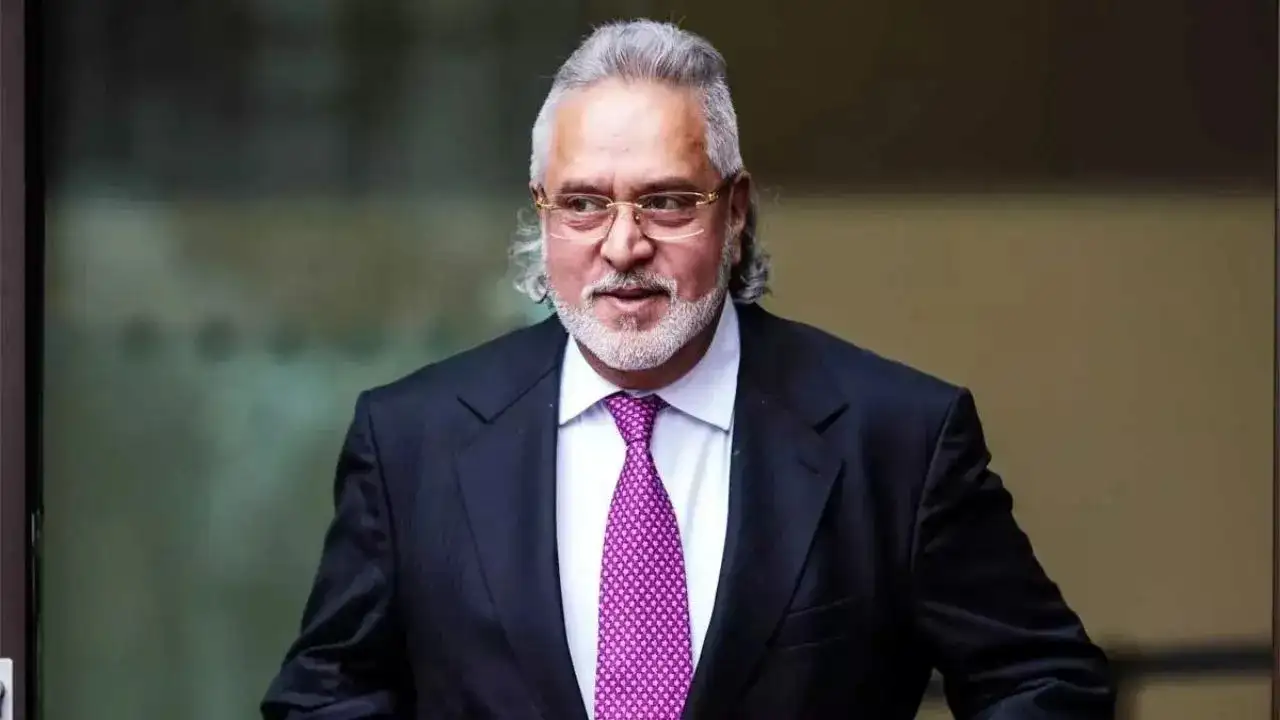
When you hear luxury, parties, and business extravagance in India, one name still raises questions — Vijay Mallya. Formerly a “King of Good Times” himself, he was a billionaire businessman with Kingfisher Airlines, RCB (Royal Challengers Bangalore), and a lifestyle business that represented success. But underneath the glitz was a pile of debt, unsuccessful ventures, and legal issues that upset his life.
Let’s discover Vijay Mallya’s tale — his early success, his empire’s downfall, Vijay Mallya’s net worth, and how defaulted loans turned him into one of India’s most controversial businessmen. If you’re a money and business enthusiast who can’t get enough — this case study will have you glued till the end.
The Early Days: From Heir to Entrepreneur
Born in 1955 in Kolkata, Vijay Mallya took over his father’s liquor business, United Breweries Group, at the tender age of 28. In a couple of years, he turned it into an international conglomerate.
Led by him, Kingfisher Beer was the most popular alcohol brand in India, ruling the market with its slogan — “The King of Good Times.”
But Mallya was not only a businessperson; he was also a showman. From purchasing Formula 1 teams to being the IPL franchise owner RCB (Royal Challengers Bangalore), his public image was as larger-than-life as his business deals. His confidence, charisma, and daredevil spirit made him a celebrity — and subsequently, a villain.
The Dream That Crashed: Kingfisher Airlines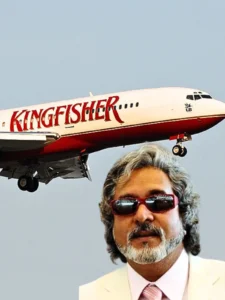
In 2005, Vijay Mallya founded Kingfisher Airlines with a mission to redefine Indian air travel. Soon, the airline became renowned for luxurious experiences, chic crew, and celebrity endorsements. Customers adored it — but profitability eluded it.
So, what went wrong?
- The airline provided luxury services at discounted prices, and profits were eroded.
- High fuel costs and increasing operational expenses drained funds.
- Mallya bought budget airline Air Deccan with the hope to expand — but it only intensified losses.
- By 2012, Kingfisher Airlines had run up more than ₹9,000 crore in loans and ultimately closed down.
Even after the losses, Vijay Mallya continued to live in luxury living — owning yachts, luxury villas, and throwing lavish parties. This juxtaposition of personal opulence and business bankruptcy was the turning point in his public perception.
The Loan Controversy: The Great Financial Storm
Kingfisher Airlines’ collapse did not only hit Mallya — it hit banks, workers, and investors. Indian banks accused Vijay Mallya of defaulting on loans for ₹9,000 crore (about $1.1 billion).
Here is what followed:
- Several banks charged Mallya with funds diversion and loan non-repayment.
- In 2016, he flew to the UK from India, just before banks could proceed legally.
- The Indian government listed him as a “wilful defaulter.”
- He faced extradition trials in the UK, which are still ongoing in various forms.
Despite his legal battles, Vijay Mallya mentioned that the failure was due to business conditions, not fraud. He said in his defense: “Failure is not a crime.”
Vijay Mallya’s Net Worth: The Fall from Fortune
Once among India’s richest men, Vijay Mallya’s net worth has seen a dramatic decline.
| Year | Estimated Net Worth | Source |
|---|---|---|
| 2007 | $1.2 Billion | Forbes |
| 2010 | $1.1 Billion | Forbes |
| 2024 | Around $90–100 Million | Various Reports |
Most of his fortune was invested in United Spirits and Kingfisher. Mallya disposed of substantial stakes in financial difficulties to international corporations such as Diageo. Currently, his wealth is constrained from its heyday, with Indian assets frozen and offloading of part of luxury properties overseas.
Nevertheless, he keeps his indulgent lifestyle in the UK — possessing a mansion outside London and appearing sporadically in society gatherings.
RCB and the Sports Connection:
Mallya’s reach didn’t stop at liquor and airlines. As a past owner of Royal Challengers Bangalore (RCB) in the Indian Premier League, he infused business with entertainment into cricket.
During his tenure: 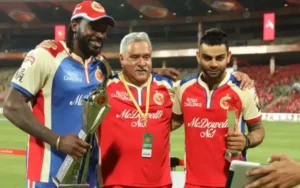
- RCB recruited top talent like Virat Kohli and AB de Villiers.
- The team became a highly popular IPL franchise.
- But RCB never tasted title success under his reign — though it acquired huge brand value.
In 2016, Mallya resigned as RCB owner amid mounting financial and legal issues. The franchise ownership later changed hands under United Spirits, now owned by Diageo.
Vijay Mallya’s Image: Between Fame and Infamy
Vijay Mallya is both ambition and prudence. To most Indians, he is the risk of overexpansion and overconfidence. For some others, he’s a vilified businessman penalized for business failure.
Public Perception:
- Respected for his charm and risk-taking in the 2000s.
- Shunned for default on loans and misuse of public funds.
- Remembers as the symbol of the high-flying corporate lifestyle that came crashing down.
His tale has even been the subject of documentaries, news specials, and MBA case studies into corporate governance and risk management.
Lessons Learned from the Journey of Vijay Mallya:
There’s always a lesson in every story — and Mallya’s is chock-full of them.
1. Luxury does not beget loyalty
Glamorous branding will get attention, but repeat profit is built on good business foundations.
2. Borrow sensibly
Over-leveraging can ruin even the most legendary businesses. Mallya’s failure is a caution for business owners banking excessively on credit.
3. Personal image ≠ Business success
Mallya’s star personality created visibility, but it also attracted public outrage when his empire collapsed.
4. Crisis management is everything
When Kingfisher Airlines began to falter, Mallya’s slow reaction made it impossible for the company to recover.
The Man Behind the “King of Good Times”:
Vijay Mallya’s rise and fall from billionaire tycoon to fugitive entrepreneur is a movie script of triumph, ambition, and collapse. What was once a reflection of India’s rising global confidence, he is now remembered as a cautionary tale of when image exceeds ethics and viability.
Love him or hate him, there’s no doubt that Vijay Mallya altered the perception of India towards wealth, business, and failure.
For entrepreneurs and finance enthusiasts, his tale reminds us: invest well, live simply, and never forget accountability.
Disclaimer:
This article is intended for informational purposes. Financial data are available from public reports and can fluctuate over time. For more such articles,check out mymoneyverse.in