Starting an online business has never been easier. Dropshipping in India is attracting teenagers, students and Gen Z who want to earn pocket money or build a side hustle without investing heavily in inventory. This article explains what dropshipping means, why the model is booming in India, where to find suppliers and sites, and how you can start your own store step by step. It uses factual statistics from recent research ,so readers can make informed decisions.
Understanding Dropshipping: What Is It and How Does It Work?
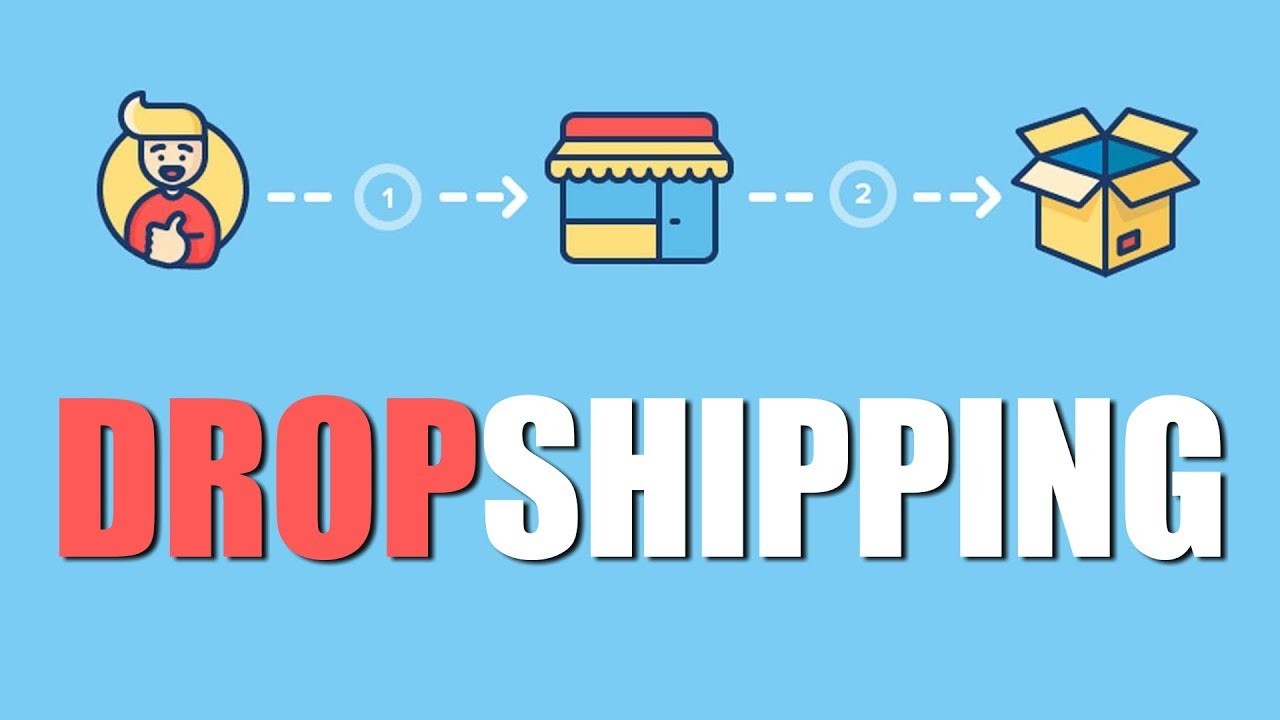
Before jumping into dropshipping sites or choosing dropshipping suppliers in India, it is important to understand the basics. In a traditional retail model, a store purchases products from suppliers, stores them in a warehouse and then ships to customers. In a dropshipping model the retailer sells products online but does not hold inventory or handle fulfillment. Instead, when a customer buys an item the order is passed directly to a supplier, who packs and ships it to the customer on the retailer’s behalf. This means you can start an online store with minimal capital because you only pay the supplier after you make a sale.
The dropshipping meaning is therefore straightforward: it’s a form of retail fulfillment where order fulfillment is outsourced. According to Shopify’s 2025 report, the global dropshipping market was valued at US$435 billion in 2025 and is expected to grow at an annual rate of 24.39 %. Such scale shows that dropshipping is not just a trend but a serious business model.
How the process works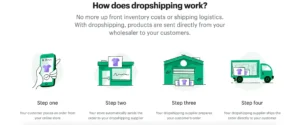
-
Customer places an order – A shopper browses your online store and buys a product.
-
Order forwarded to supplier – The retailer forwards the order details to the manufacturer or wholesaler.
-
Supplier ships directly to customer – The supplier handles packaging and shipping, and the customer receives the item without knowing about the supplier.
-
Retailer profits from the margin – The retailer makes profit by selling the item at a price higher than the wholesale cost minus expenses.
Because you never touch the product, this model is highly scalable and less risky, especially for part‑time entrepreneurs.
Why Dropshipping in India Is Growing Rapidly
The Indian e‑commerce landscape offers huge opportunities for dropshipping in India. According to market research, India’s dropshipping sector generated USD 20.8 billion in revenue in 2023 and is projected to grow to USD 102.4 billion by 2030 with a compound annual growth rate (CAGR) of around 23–25 %. The same report notes that fashion is the largest revenue segment and food & personal care is the fastest‑growing category. Another study estimates that the Indian dropshipping market could reach $5 billion by 2028 with a 25 % CAGR.
Several factors explain this growth:
-
Booming e‑commerce and mobile penetration – The Indian e‑commerce industry is projected to reach US$300 billion by 2030. More than 900 million internet users and 450 million online shoppers fuel this surge, making the potential customer base huge.
-
Low barrier to entry – Dropshipping requires little capital and no warehouse. Many students and young entrepreneurs choose this model to test ideas because it’s flexible and scalable.
-
Improved logistics and digital payments – India’s Unified Payments Interface (UPI) allows secure digital transactions, and logistics networks cover over 29 000 pincodes. Local suppliers also provide cash‑on‑delivery options, which many customers prefer.
-
Social commerce – Statistics show that 67.5 % of Indian internet users access at least one social platform and 90 % follow at least one shopping brand, while 77 % of small businesses use social media to sell. Social media makes it easier for dropshippers to market products and build communities.
However, success isn’t guaranteed. Qikink notes that the estimated success rate for dropshipping businesses in India ranges between 10 % and 20 %. This means careful planning, niche selection and quality suppliers are critical.
Pros and Cons of the Dropshipping Business Model
Advantages:
-
Low start‑up costs – You don’t need to invest in inventory or warehousing. Many platforms allow you to set up a store for just the cost of a domain and marketing.
-
Flexibility and scalability – You can run your store from anywhere and expand product lines quickly without worrying about storage.
-
Testing opportunity – Dropshipping allows you to test new products cheaply and pivot based on demand.
-
Wide product range – Because you don’t own inventory, you can offer a large catalogue from multiple suppliers and cater to niche markets.
Disadvantages:
-
Lower profit margins – Profit margins are typically around 15–20 % because suppliers do much of the work. Competing solely on price can be difficult.
-
Quality control and shipping delays – Since products ship directly from suppliers, there’s a risk of receiving poor‑quality items or delays. Working with trusted local suppliers helps mitigate this issue.High competition – The low barrier to entry attracts many sellers, making it difficult to stand out. Building a unique brand and offering great customer service are essential.
-
Dependence on suppliers – Your reputation rests on suppliers’ stock levels and shipping practices. Building strong relationships and communicating with suppliers reduces this risk.
How Can I Start Dropshipping? Step‑by‑Step Guide
Here is a step‑by‑step roadmap odf starting dropshipping in india from scratch:
-
Identify a niche and conduct market research – Pick a niche that interests you and has demand. Use tools such as Google Trends, social media and competitor analysis. Focus on niches where you can add value (e.g., eco‑friendly products or pop‑culture merchandise). Qikink’s statistics show that apparel is a leading segment and food & personal care is the fastest‑growing category in India; this insight can guide product selection.
-
Develop a business plan and brand – Decide on pricing, target customers and marketing channels. Create a brand story and choose a memorable store name (see naming suggestions below). Register a domain and social media handles.
-
Register your business and obtain GST – In India, GST registration is mandatory for most dropshipping businesses, even if turnover is below ₹20 lakh, because interstate supply triggers registration requirements. Gather documents like PAN, Aadhaar, business address proof, bank details and digital signature; then apply online through the GST portal. If you sell internationally, consider compliance with export rules and the choice between charging GST or using export exemptions.
-
Find reliable dropshipping suppliers – Use platforms like Qikink, Baapstore, vFulfill, Printrove, IndiaMART or global marketplaces with Indian suppliers. Communicate clearly about sample orders, quality expectations and return policies. Choose suppliers who offer COD and fast shipping when possible.
-
Choose and set up your e‑commerce platform – Create your store on Shopify, WooCommerce, Wix or marketplaces like Meesho or Roposo Clout. Each platform has pros and cons: Shopify is user‑friendly with many apps, while WooCommerce is flexible if you have WordPress experience. Marketplaces expose your products to an existing audience but may charge commissions.
-
List products and optimise for SEO – Add high‑quality product photos and descriptions. Include keywords such as dropshipping in India, dropshipping meaning and dropshipping sites in your content, meta tags and blog posts. Transparency about shipping times and return policies builds trust.
-
Market your store – Use social media (Instagram, Facebook, WhatsApp), Google Ads and content marketing to reach your audience. Statistics show that 90 % of Indian internet users follow at least one shopping brand on social media, so consistency is key. Collaborate with micro‑influencers and create engaging videos (e.g., unboxing or behind‑the‑scenes) to attract attention.
-
Provide exceptional customer service – Respond quickly to queries, track orders and handle returns professionally. Even though you don’t control shipping, you can improve the experience by informing customers of any delays and offering compensation when appropriate. Building a loyal community encourages word‑of‑mouth referrals.
-
Monitor and scale – Analyse data such as conversion rates, cost of acquisition and profit margins. Test new products, adjust pricing and invest more in marketing channels that work. Automate processes using order‑management apps to free up time for growth.
By following these steps, teenagers and students can turn a small investment into a potentially profitable venture.
Dropshipping Sites and Suppliers in India
Choosing the right suppliers and platforms is crucial for delivering a good customer experience. The Indian market has both global and domestic options:
-
Qikink – An Indian print‑on‑demand (POD) supplier offering custom apparel and accessories. They handle printing, packing and shipping within India and integrate with Shopify and WooCommerce.
-
Baapstore – A wholesaler offering electronics, fashion and more, with options for automation and integration with e‑commerce platforms.
-
Deodap – Known for household items and kitchenware; provides bulk discounts and fast shipping.
-
Wholesalebox and ExportersIndia – B2B marketplaces where you can find suppliers across categories.
-
IndiaMART – One of the largest B2B portals connecting retailers with manufacturers; ideal for sourcing products in bulk.
-
vFulfill – Provides an all‑in‑one solution for dropshippers with 3–5 day delivery and cash‑on‑delivery support.
-
Printrove and Blinkstore – POD suppliers that integrate with Shopify and support replacements for defective products.
When selecting suppliers, consider product quality, shipping speed, communication responsiveness and ease of integration with your store. Local suppliers often enable cash‑on‑delivery, which helps build trust with Indian customers.
Is Dropshipping Right for You?
-
Dropshipping allows you to enter e‑commerce with minimal capital, making it ideal for students and part‑time entrepreneurs. It involves selling products without holding inventory; suppliers handle fulfillment and shipping.
-
Dropshipping in India offers enormous potential due to a growing e‑commerce market, increasing internet penetration and supportive infrastructure. The Indian dropshipping market may reach $5 billion by 2028, but the success rate is estimated at only 10–20 %, so careful planning is necessary.
-
Choose reliable suppliers and platforms, register for GST and comply with legal requirements. Build a brand through thoughtful naming, storytelling and customer engagement.
-
Use social media and content marketing to reach your audience. Provide transparent shipping times and top‑notch customer service to build trust.
Conclusion:
The rise of dropshipping in India is enabling a new generation of entrepreneurs to build businesses from their dorm rooms and homes. By understanding the dropshipping meaning, selecting the right dropshipping sites and dropshipping suppliers in India, and following a structured approach, you can create a sustainable online business. Whether you’re a teen exploring a side hustle or an aspiring entrepreneur looking for a low‑risk entry into e‑commerce, this guide offers the tools and knowledge to get started. Remember that success requires persistence: experiment, learn from feedback and keep refining your strategy. With dedication and the right partnerships, your dropshipping venture could become more than just a side hustle — it could be the first step toward a thriving e‑commerce brand.