Are you looking for the best credit cards in India that suits your lifestyle, spending habits, and rewards expectations? In 2025, credit cards are more than just a plastic swipe—they’re smart financial tools when used responsibly. Whether you’re shopping online, earning cashback, or traveling, there’s a credit card tailored for you.
What is a Credit Card?
A credit card is a financial instrument issued by banks and financial institutions that allows you to borrow money up to a certain limit to pay for purchases. The key feature is that you get an interest-free period (usually up to 45–50 days) to repay the amount spent. If you don’t repay in time, interest is charged.
When you use your Credit Card for payments, your card issuer typically pays merchants on your behalf and sends you a bill later. This bill is generated on a fixed date each month, known as the billing date and it comprises details of all your transactions, and a due date. You must repay your bill in full to avoid paying interest on your credit card expenses.
How Does a Credit Card Work?
- Spending Limit: Every credit card comes with a credit limit based on your income and Cibil score.
- Billing Cycle: Each card has a monthly billing cycle where your total spending is calculated.
- Minimum Due & Full Payment: You can pay a minimum due or full amount—paying the full amount avoids interest.
- Rewards: Earn cashback, travel miles, shopping discounts, or reward points on each transaction.
-
Features of credit card
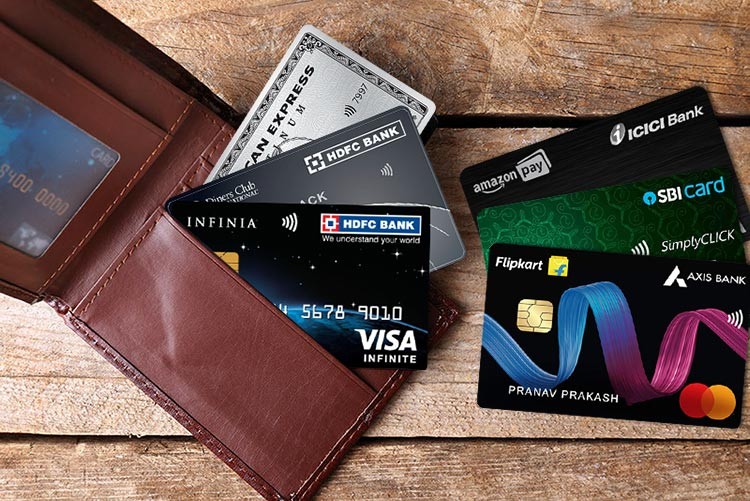
A Credit Card is a wonderful convenience that lets you pay for your purchases online or offline without cash. But how does a Credit Card work?Let’s begin by examining a Credit Card carefully. A Credit Card comes with the following:
- A number that uniquely identifies it
- An expiry date
- The name of the holder
- The logo of Visa or Mastercard – the two companies that provide the infrastructure and systems that process Credit Card transactions.
- On the back of the Credit Card is:
- A magnetic strip or chip
- The CVV number. This is needed for online transactions.
Types of Credit Cards
To find the best Credit Card in India, consider factors such as rewards, annual fees, interest rates and additional perks. It is important to do research and compare different options to find the Card that aligns with your financial goals and lifestyle needs.Some of the best Credit Cards are:
1. Rewards Credit Cards
These Cards offer reward points on every purchase, which can be redeemed for cashbacks, travel / air miles or merchandise.
2. Cashback Credit Cards
These Cards earn you cashback with every purchase you make. The amount you earn is usually a percentage of each purchase.
3. Travel Credit Cards
Ideal for frequent travellers, these Cards offer travel-related perks such as airport lounge access, air miles and travel insurance.
4. Fuel Credit Cards
Designed for individuals who frequently travel using their vehicles. Fuel Cards offer cashback or discounts on fuel purchases.
5. Secured Credit Cards
Secured Cards require a security deposit but can help build or rebuild credit scores. They are suitable for individuals with a limited or poor credit history.
6. Business Credit Cards
These Cards cater to business owners, offering expense-tracking tools, rewards and higher credit limits.
Functioning of a Credit Card
- Swipe or Tap: Use the card at POS terminals or for online transactions.
- Authorization: The bank verifies and approves the transaction.
- Billing: A statement is generated at the end of the billing cycle.
- Repayment: You must pay the amount due within the grace period to avoid interest.
Benefits of Having a Credit Card
- Cashback & Rewards: Earn points or cashback on each transaction.
- Buy Now, Pay Later: Manage large expenses over time.
- Build Credit Score: Responsible use improves your creditworthiness.
- Emergency Fund Access: Instant money in case of emergencies.
- Special Discounts: Exclusive offers on shopping, dining, and travel.
Rules and Regulations You Should Know
- Minimum Age: Must be 18+ (some banks require 21+).
- KYC Compliance: PAN, Aadhaar, and income proof required.
- Interest Charges: Interest rates typically range from 30% to 45% per annum if not paid in full.
- Credit Score Impact: Late payments can lower your CIBIL score.
- Annual Fees: Many cards come with annual/renewal fees—waivable on high usage.
Top 10 Best Credit Cards in India (Apply Now)
Here’s a curated list of the 10 best credit cards in India in 2025, perfect for cashback, shopping, travel, and more. Click on each card name to apply using our trusted affiliate links and get instant approval (T&C apply).
| Axis myzone credit card | https://bitli.in/OXt11WA |
| HSBC platinum credit card | https://bitli.in/erB9vL9 |
| SBI cashback credit card | https://bitli.in/Ws7cV1s |
| Axis flipkart credit card | https://bitli.in/2q4e3Rk |
| HDFC bank credit card | https://bitli.in/jpR1GIL |
| Indusind legend credit card | https://bitli.in/mssaJfk |
| Axis airtel credit card | https://bitli.in/OJiU129 |
| Swiggy HDFC bank credit card | https://bitli.in/RcCmT2u |
| IDFC first credit card | https://bitli.in/TFey2Kt |
| Yes bank | https://bitli.in/A49zf2e |
Choosing the best credit card in India depends on your lifestyle. Whether you’re a frequent online shopper, traveler, foodie, or want to build credit, there’s a perfect card for you. Use our trusted affiliate links to apply today and unlock powerful benefits.
Disclaimer: This blog post contains affiliate links. If you apply for a credit card through these links, we may earn a small commission at no additional cost to you. The information provided is for general informational purposes only and does not constitute financial advice. Please conduct your own research or consult a qualified financial advisor before making any financial decisions.